CASE STUDY
HealthCare: Enhancing Diagnostic Accuracy for Medical Imaging
Empowering a sub-Saharan telemedicine leader with 50,000+ human-validated medical images to detect tropical diseases with 28% higher precision.
Client Overview
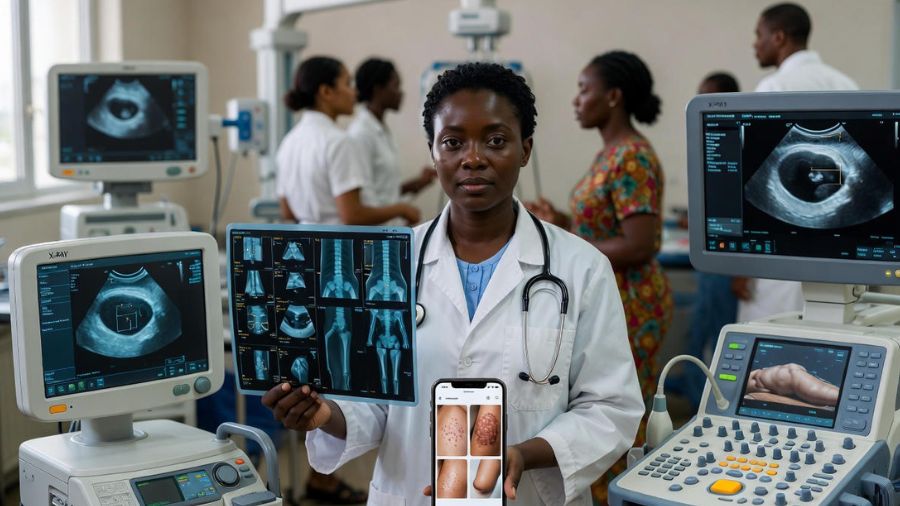
A leading telemedicine provider in sub-Saharan Africa sought to develop an AI-powered diagnostic tool for early detection of tropical diseases using mobile-captured images. Facing challenges with inaccurate global datasets that overlooked local skin tones and environmental factors, the client partnered with DataLens Africa for specialized data annotation services.
Project Scope
DataLens handled the annotation of 50,000+ medical images, including X-rays, ultrasounds, and smartphone photos of skin lesions. Services included:
- •Object detection for anomalies
- •Semantic segmentation for tissue boundaries
- •Multi-label classification for disease indicators
Annotations incorporated African demographic diversity, with human validators ensuring cultural and contextual relevance.
Challenges
- •Variability in image quality from low-resource settings.
- •Bias in pre-existing datasets, leading to false positives/negatives for African patients.
- •Need for rapid turnaround to support field deployments.
DataLens Solution
Using the DataLens AI Studio, a team of 20 domain-expert annotators (including certified radiologists) applied multi-layer quality checks. Custom guidelines addressed nuances like lighting variations in rural clinics. The process integrated human-in-the-loop validation with automated pre-labeling for efficiency.
Results
- •Achieved 95% annotation accuracy, validated against expert reviews.
- •Enabled the client's AI model to improve diagnostic precision by 28% on African test sets.
- •Project completed in 8 weeks, reducing model training time by 40% and supporting deployment to 500+ clinics.
More Case Studies
Agriculture
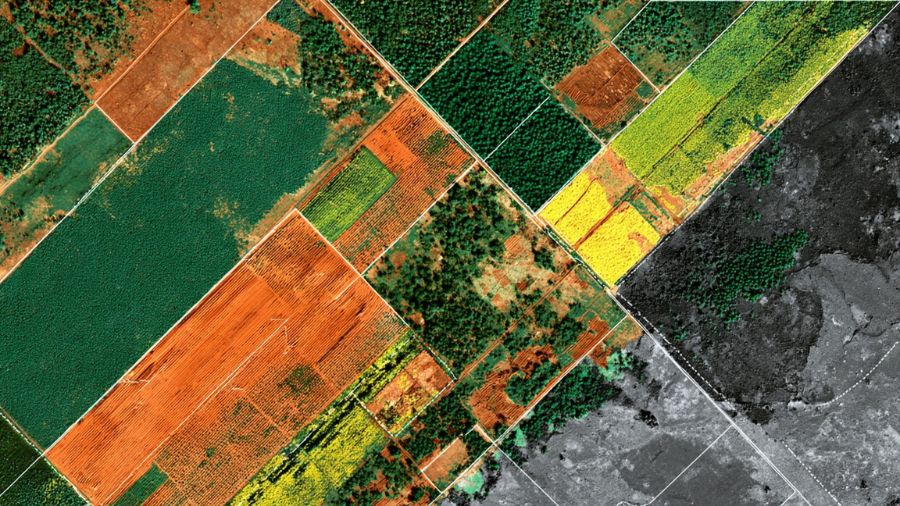
Precision Farming for Smallholder Farmers
30,000+ satellite images enabled 85% accuracy for 10,000+ farmers.

FinTech
Fraud Detection in Mobile Banking
100,000+ annotated logs reduced fraud by 35% using multilingual LLM fine-tuning.
Healthcare
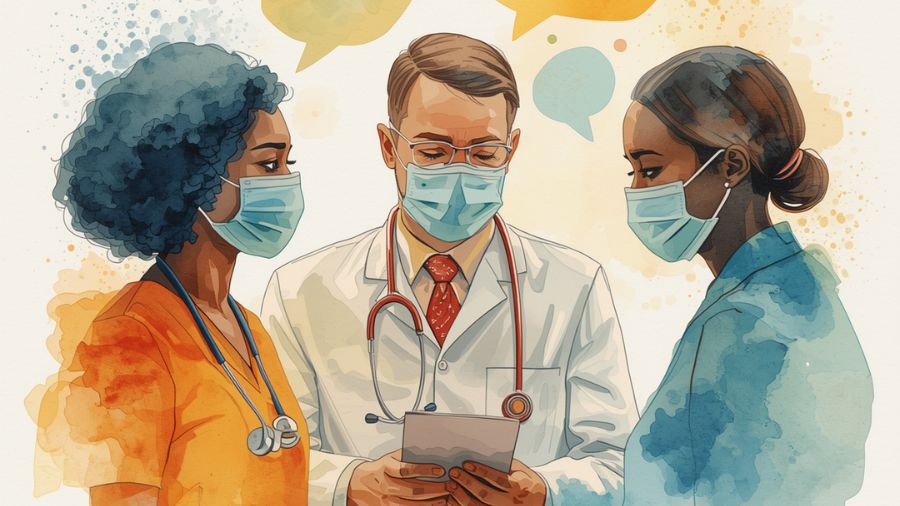
Annotating African Medical Dialogue for Multilingual Clinical AI
High-accuracy Yoruba and Wolof medical text annotation for university NLP research.
Ready to Transform Your AI Models?
Partner with DataLens Africa for high-quality, ethically sourced, and context-aware datasets.